
Dubai has over 80 freehold zones open to foreign investors. Not all of them make sense for every investor. Your optimal zone depends on one question: what are you optimizing for?
We track 26 zones across four investment strategies. This guide breaks down each category with current data, entry points, and the honest trade-offs you should consider.
Strategy 1: Yield-focused investment
If your priority is maximizing annual rental income relative to capital invested, these zones consistently deliver the highest yields in Dubai.
Jumeirah Village Circle (JVC)
JVC is the workhorse of Dubai's rental market. It attracts young professionals, couples, and small families who want modern apartments at accessible price points. The area has matured significantly: retail, schools, and green spaces are now established. The developer pipeline remains active, so supply is a factor to monitor, but strong demand has absorbed new inventory consistently.
Best for: Yield-focused investors with AED 400K-1M capital. Hands-off rental income with reliable occupancy.
Dubai Silicon Oasis (DSO)
Yields of 7-9% with entry prices similar to JVC. DSO benefits from its tech park ecosystem, which creates a captive rental demand from professionals working in the zone. Less lifestyle appeal than JVC but more predictable tenant profiles.
Motor City / Sports City
Yields of 7.5-9%. Lower entry prices (AED 350K-550K for studios) make this accessible for first-time Dubai investors. The trade-off is location: further from the coast and city centre, which limits capital appreciation potential.
Strategy 2: Capital appreciation
If your priority is long-term value growth, these zones are positioned for the strongest price appreciation over the next 3-5 years.
Dubai Creek Harbour
Dubai Creek Harbour is Emaar's flagship community outside Downtown. The Dubai Creek Tower (when completed) will redefine the skyline. Current prices are 30-40% below comparable Downtown units, which represents the capital appreciation opportunity. Infrastructure is still developing, which means early investors accept lower initial yields for higher growth potential.
Dubai Islands (formerly Deira Islands)
The rebranding from Deira Islands to Dubai Islands signals a strategic repositioning. Multiple developer launches in 2025-2026 (including Ellington's Meriva Collection) are bringing premium product to an area that historically underperformed. Entry prices are still 20-30% below Palm Jumeirah equivalents, with waterfront positioning that should narrow that gap.
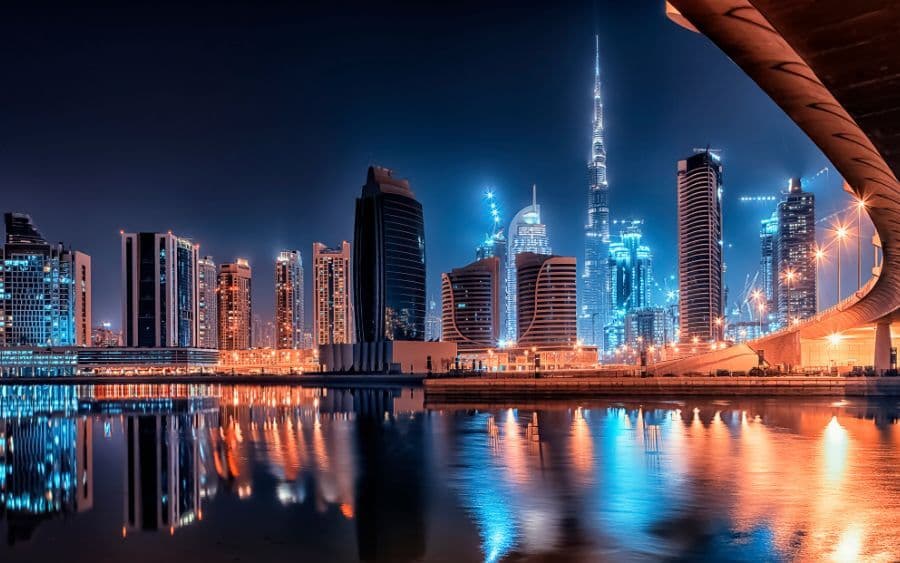
Business Bay
Already mature, but ongoing development (including the Dubai Canal waterfront) continues to drive appreciation. Yields of 6-7% combined with steady capital growth make this the best balance of income and appreciation in the city centre.
Strategy 3: Premium lifestyle
If your buyers are high-net-worth individuals seeking a Dubai base, trophy assets, or Golden Visa-qualifying property with lifestyle appeal.
Palm Jumeirah
Palm Jumeirah is Dubai's trophy address. Yields are lower than other zones, but the asset class is fundamentally different: scarcity-driven (no new fronds will be built), brand recognition that transcends Dubai, and a tenant/buyer pool of ultra-high-net-worth individuals. Capital preservation and prestige, not yield maximization.
Downtown Dubai
The Burj Khalifa district. Entry prices for a 1-bedroom start at AED 1.8M-2.5M. Yields of 5-6% are moderate, but the location premium ensures consistent demand and strong resale liquidity. The most liquid real estate market in Dubai for exit strategies.
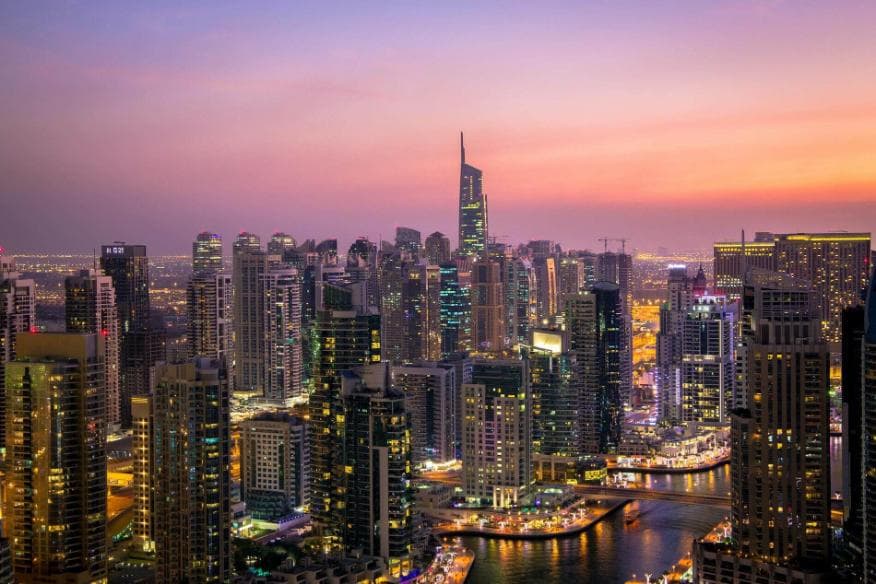
Dubai Marina
The most established waterfront community. Yields of 6.5-7.5% are surprisingly strong for a premium area, driven by high tourist and short-term rental demand. Entry prices (AED 1.2M-2M for 1-beds) hit a sweet spot between yield and lifestyle.
Strategy 4: Villa communities
Villa communities serve a different investor profile: families, long-term residents, and investors seeking lower density and community-driven living.
Dubai Hills Estate
Dubai Hills is the gold standard for Dubai's villa communities. The golf course, Dubai Hills Mall, and proximity to Al Khail Road create a self-contained ecosystem. Apartment yields are competitive; villa yields are lower but offset by strong capital appreciation (villa prices have outperformed apartments across Dubai over the past 3 years).
Arabian Ranches
The original villa community, now in its third phase (Arabian Ranches III by Emaar). Established neighbourhoods with proven rental demand. Lower appreciation potential than newer communities but lower risk and established infrastructure.
Tilal Al Ghaf (Majid Al Futtaim)
The newcomer challenging Dubai Hills. Crystal Lagoon, wellness-focused design, and a developer (Majid Al Futtaim) with deep pockets. Off-plan prices are competitive; the risk is execution timeline and community maturation.
“The best zone for you depends on one question: what are you optimizing for? There is no universally 'best' area. There is only the best area for your specific investment thesis.
M&M Advisory Team
How to decide
Start with your capital. If you have AED 400K-1M, yield-focused zones (JVC, DSO, Motor City) maximize your return. If you have AED 1M-3M, you can access the capital appreciation zones (Creek Harbour, Dubai Islands, Business Bay). Above AED 3M, the premium lifestyle and villa communities become options.
Then factor your involvement. Yield-focused zones work well for hands-off investors. Premium zones require more active management decisions. Villa communities suit investors who may eventually live in the property.
Finally, consider your timeline. Capital appreciation strategies need 3-5 years minimum. Yield strategies deliver returns from day one. Golden Visa strategies require the AED 2 million threshold regardless of zone.
Detailed yield data, entry prices, and developer pipelines for all 26 zones. The research our advisory team uses internally.
Download free→